
2 MIN READ · BRAIN HEALTH · COMMUNITY
The Mahjong Table Is Good Medicine
What the research says about tiles, friends, and a sharper, longer life.
Dr. Cosette Stahl, DO
Founder & Physician, Vital Coeur Health · 3 min read
October 28, 2026
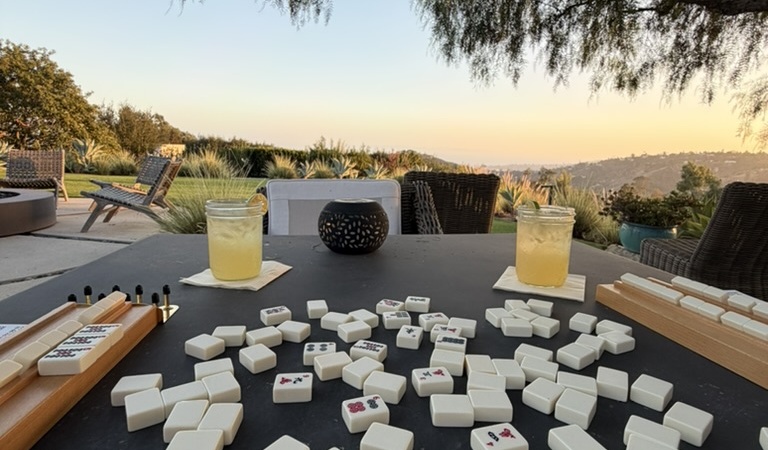
Mahjong is everywhere right now, from backyard tables to sold-out open plays and tournaments. If you've been pulled into a regular game, the research suggests you picked a good habit. Few hobbies combine a real mental workout with steady social connection the way a four-person table does.
A workout for the brain
Every hand asks you to remember what's been discarded, spot patterns, calculate odds, and change strategy on the fly. That combination of memory, attention, and planning is exactly what researchers look for in brain-protective activities.
In a 12-week trial, older adults with mild cognitive impairment who played mahjong improved on tests of executive function, while a non-playing control group did not. A study of more than 7,300 adults over 60 found that people who played cards or mahjong scored higher on cognitive testing, and that how often they played mattered.
The pattern holds in larger studies of mentally active games. An Australian study following over 10,000 adults for about a decade linked regular games, cards, and puzzles with a 9% lower risk of dementia.
9%
lower dementia risk with regular games and puzzles
10,988
adults tracked in a study tying mahjong to fewer depressive symptoms
50%
greater likelihood of survival with strong social ties
Your weekly table is a mental health habit
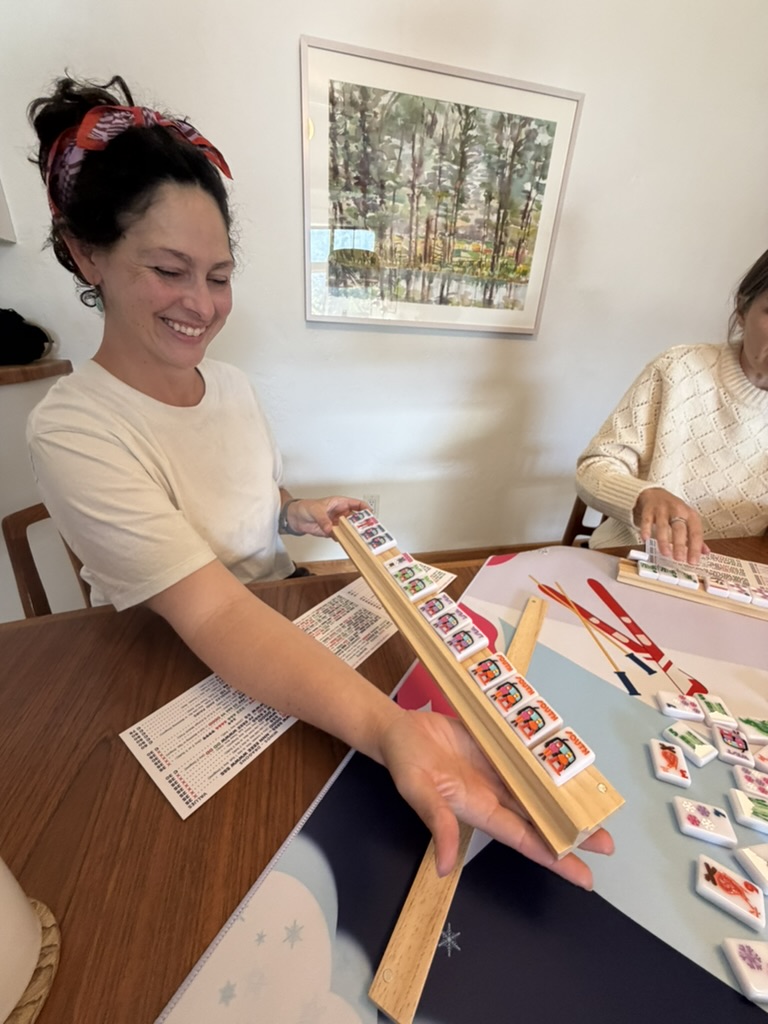
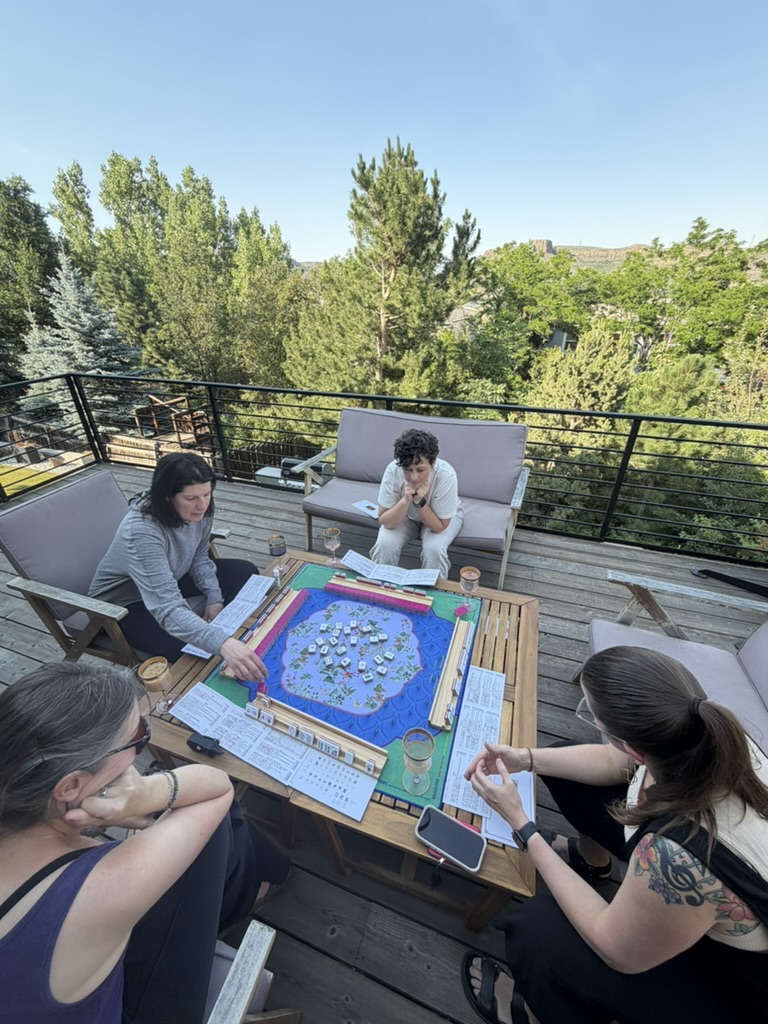
Mahjong is built around people. Often the same group, the same night, week after week. Sometimes, new people, new house rules. A study of nearly 11,000 adults aged 45 and up found that among city residents, playing mahjong or cards was associated with a decline in depressive symptoms over time. For women navigating perimenopause, when mood shifts and isolation often show up together, a standing commitment to friends is worth protecting.

Connection and a longer life
No study has followed mahjong players to measure lifespan directly. But the social side of the game connects to one of the strongest findings in longevity research. A landmark review of 148 studies and more than 300,000 people found that those with stronger social relationships had a 50% greater likelihood of survival, an effect comparable to quitting smoking.

Part of the plan, not an afterthought
At Vital Coeur Health, we care about your overall wellbeing as a clinical priority alongside your hormones, nutrition, and strength. Your labs matter. So does the game night you keep showing up for.
This article is for educational purposes and isn't a substitute for individualized medical advice. Most mahjong research comes from observational studies in older Chinese adults, so it shows association, not proof of cause.
REFERENCES
- Zhang H, et al. Playing Mahjong for 12 Weeks Improved Executive Function in Elderly People With Mild Cognitive Impairment. Frontiers in Neurology, 2020. pmc.ncbi.nlm.nih.gov/articles/PMC7120035
- Wang J, et al. Association of Playing Cards or Mahjong with Cognitive Function in Chinese Older Adults. IJERPH, 2022. pubmed.ncbi.nlm.nih.gov/35954599
- Lifestyle Enrichment in Later Life and Its Association With Dementia Risk. JAMA Network Open, 2023. scimex.org summary
- Chen A, et al. Melancholy or mahjong? Social participation and depression in middle- and old-aged Chinese. Social Science & Medicine, 2019. sciencedirect.com
- Holt-Lunstad J, Smith TB, Layton JB. Social Relationships and Mortality Risk: A Meta-analytic Review. PLOS Medicine, 2010. journals.plos.org
vitalcoeur.com info@vitalcoeur.com 720-400-7030 @vitalcoeurhealth